
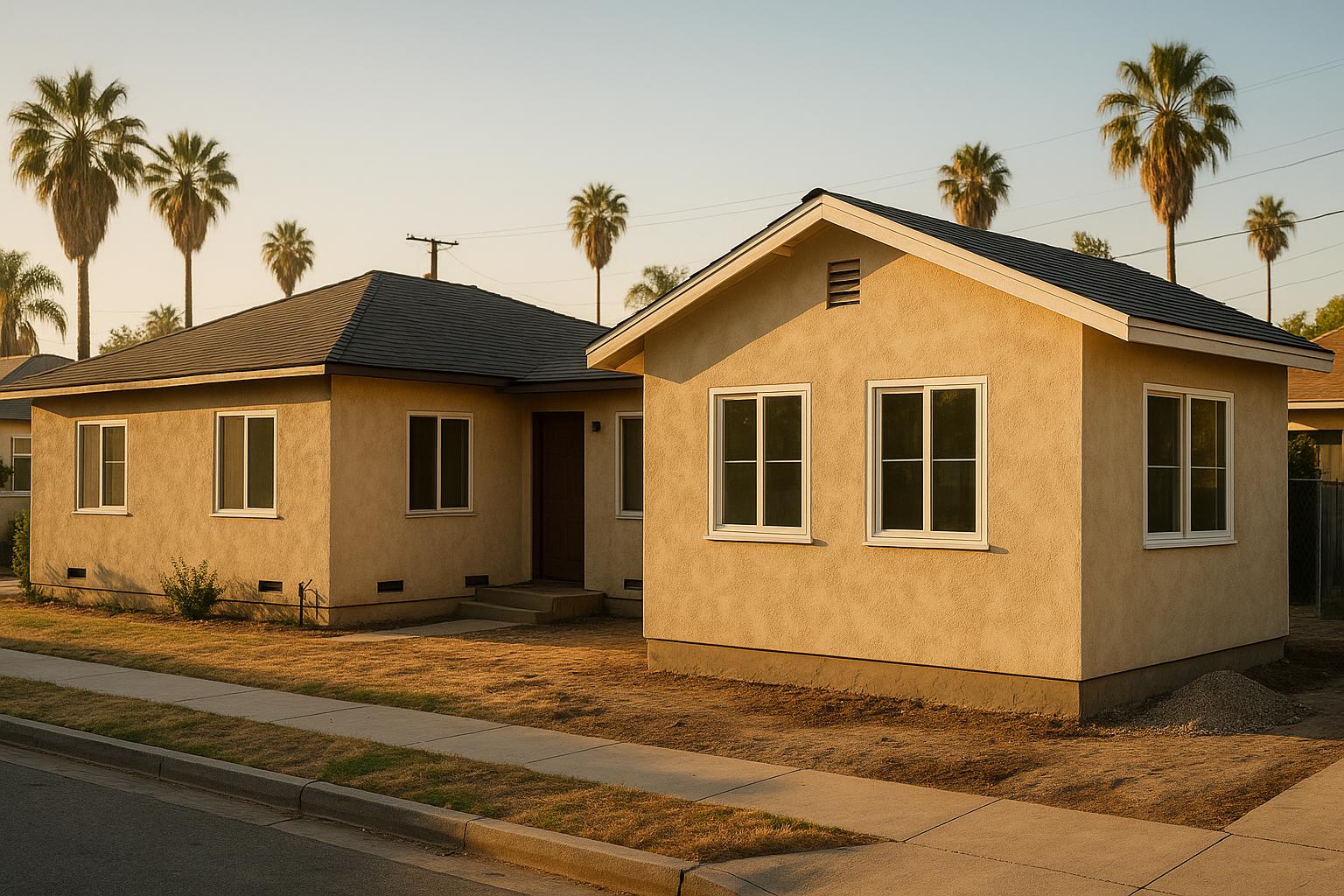
Why Homeowners in San Ysidro Are Adding Rooms Instead of Moving
If you've been living in San Ysidro for a while, you already know that home prices across the South Bay have climbed steadily over the past several years. For many families, the math just doesn't work out when it comes to selling and buying a bigger place. Between closing costs, moving expenses, and higher mortgage rates, staying put and adding square footage to your current home often makes a lot more sense.
Room additions are one of the most popular remodeling projects we handle at Atlas General Contracting, and for good reason. Whether it's a growing family that needs an extra bedroom, a home office that's become essential for remote work, or an in-law suite for aging parents, a well-planned addition can solve real problems without uprooting your life.
But room additions are also one of the most complex projects a homeowner can take on. Without careful planning, costs can spiral quickly. Here's how to approach the process so you get the space you need without blowing your budget.
Step 1: Define the Purpose of the Room Before Anything Else
This might sound obvious, but you'd be surprised how many homeowners jump straight to square footage and finishes without clearly defining what the room is for. The purpose of the space determines almost every decision that follows, from layout and plumbing needs to electrical requirements and permitting.
Ask yourself these questions early on:
- Who will use this room, and how often?
- Does it need a bathroom, closet, or kitchenette?
- Will it need a separate entrance?
- Does it need to match the existing style of the house?
- Are you adding this room to increase resale value, or purely for personal use?
A dedicated home office has very different requirements than a primary bedroom suite. Getting clear on the purpose upfront prevents expensive changes mid-construction.
Step 2: Understand San Ysidro Permitting and Zoning Requirements
Room additions in San Ysidro fall under the City of San Diego's permitting and zoning regulations. This is one area where cutting corners will cost you far more in the long run. Unpermitted work can lead to fines, complications when selling your home, and even orders to tear down the addition entirely.
Here are some key things to know:
- Setback requirements dictate how close your addition can be to property lines. These vary depending on your specific zoning designation.
- Lot coverage limits restrict how much of your lot can be covered by structures. If your home already takes up a large percentage of the lot, your options may be more limited.
- Height restrictions apply if you're considering building up rather than out.
- ADU regulations may come into play if your addition includes a kitchen and separate entrance, as it could be classified as an accessory dwelling unit.
A reputable contractor will help you navigate these requirements before design work begins. At Atlas General Contracting, we handle the permitting process for our clients so there are no surprises down the road.
Step 3: Set a Realistic Budget With a Contingency Buffer
One of the biggest mistakes homeowners make is setting a budget based on best-case scenarios. Room additions involve opening up existing walls, tying into current electrical and plumbing systems, and matching rooflines and exterior finishes. Unexpected issues are not a matter of if but when.
Here's a general framework for budgeting:
- Basic room addition (no plumbing): This is the most affordable option and includes bedrooms, offices, and living spaces.
- Room addition with bathroom: Adding plumbing increases costs significantly due to labor, materials, and inspection requirements.
- Full suite or in-law unit: These additions approach the cost of small-scale new construction because they often include bathrooms, kitchenettes, and separate HVAC.
Regardless of the scope, we always recommend setting aside 10 to 15 percent of your total budget as a contingency fund. This covers unforeseen issues like outdated wiring that needs to be brought up to code, foundation concerns, or material price fluctuations.
Step 4: Choose Materials That Balance Quality and Value
You don't need the most expensive materials to get a room addition that looks great and lasts for decades. The key is choosing materials that are durable, appropriate for San Ysidro's climate, and consistent with the rest of your home.
For example:
- Flooring: Luxury vinyl plank offers excellent durability and water resistance at a fraction of the cost of hardwood. It's a smart choice for additions that connect to kitchens or bathrooms.
- Windows: Energy-efficient dual-pane windows are worth the investment in our warm climate. They reduce cooling costs and are often required by current building codes.
- Exterior finishes: Matching your existing stucco or siding is important for curb appeal and resale value. Cutting corners here makes the addition look like an afterthought.
Your contractor should be transparent about where you can save money and where it pays to invest. That's a conversation we have with every client before a single nail is driven.
Step 5: Hire a Contractor You Can Actually Communicate With
Room additions typically take several weeks to a few months depending on complexity. That's a long time to work with someone you can't reach by phone or who doesn't explain what's happening and why.
When evaluating contractors for your project, look for these qualities:
- Licensed and insured: This is non-negotiable. Verify their California contractor's license through the CSLB website.
- Clear written estimates: A trustworthy contractor provides detailed line-item estimates, not vague ballpark numbers.
- Consistent communication: You should know what's happening on your project at all times, including any delays or changes.
- Local experience: A contractor familiar with the South Bay understands local permitting processes, common soil conditions, and the architectural styles typical in communities like San Ysidro, Chula Vista, and National City.
- References you can verify: Ask for recent project references and actually call them.
At Atlas General Contracting, we've built our reputation on showing up when we say we will, communicating clearly throughout the project, and delivering honest pricing with no hidden fees. We believe that's the bare minimum a homeowner deserves, and it's the standard we hold ourselves to on every job.
A Room Addition Is an Investment — Treat It Like One
Adding a room to your home is one of the biggest investments you'll make outside of buying the house itself. When it's done right, it adds usable space, improves your daily quality of life, and increases your property's value. When it's done poorly, it becomes a source of stress, unexpected costs, and regret.
The difference almost always comes down to planning. Take the time to define your needs, understand the permitting landscape, set a realistic budget, choose smart materials, and partner with a contractor who treats your home like it matters.
If you're considering a room addition in San Ysidro or anywhere in the South Bay, we'd love to talk through your project. Reach out to Atlas General Contracting for a free consultation, and let's figure out the best way to give your family the space it needs.